In Home ABA Therapy in Dallas: Fostering Knowledge & Connection
Explore our comprehensive collection of expert-led articles, clinical resources, and local support networks designed to empower the neurodiverse community in Dallas.
April 24th marks the exciting return of Acceptance Matters, the North East Autism Society’s virtual conference dedicated to amplifying autistic voices, challenging outdated thinking, and championing real, meaningful change. This year’s
The UCLA Center for Autism Research and Treatment (CART) hosts “Advances in Autism 2026,” a full-day conference presenting the current state of autism science. Nationally
The 2nd Annual Faith in Humanity Autism Awareness Walk, held at the Riverwalk Commons in Milwaukee, is a community-driven fundraiser organized in partnership with Autism
The NAS Professionals Conference in London is a premier UK gathering focused on increasing understanding of the “Autistic Experience and Best Practice.” The 2026 program
The ACT Bootcamp: East Coast Edition in New York City is an intensive professional training focused on Acceptance and Commitment Therapy (ACT) as applied to
Making Memories: Zoo Night is a specialized sensory-friendly event held at the Henry Doorly Zoo and Aquarium in Omaha, Nebraska. Organized by the Autism Action
Essential downloadable guides to support daily life, education, and advocacy.
Dallas ABA Center
Our in-home ABA therapy services cover the Entire Dallas-Fort Worth Metroplex, including, but not limited to, Celina, Waxahachie, Terrell, Royse City, and nearby counties.
Operated by barber Henry Amoloja, this 900-square-foot “sensory dream” facility is specifically designed for children with autism and sensory sensitivities.
When a family begins the journey of professional intervention, the roadmap can often feel complex. Autism therapy, specifically through the lens of Applied Behavior Analysis (ABA), is a structured, multi-step process designed to turn clinical data into meaningful life changes. It is not a “quick fix” but a comprehensive cycle
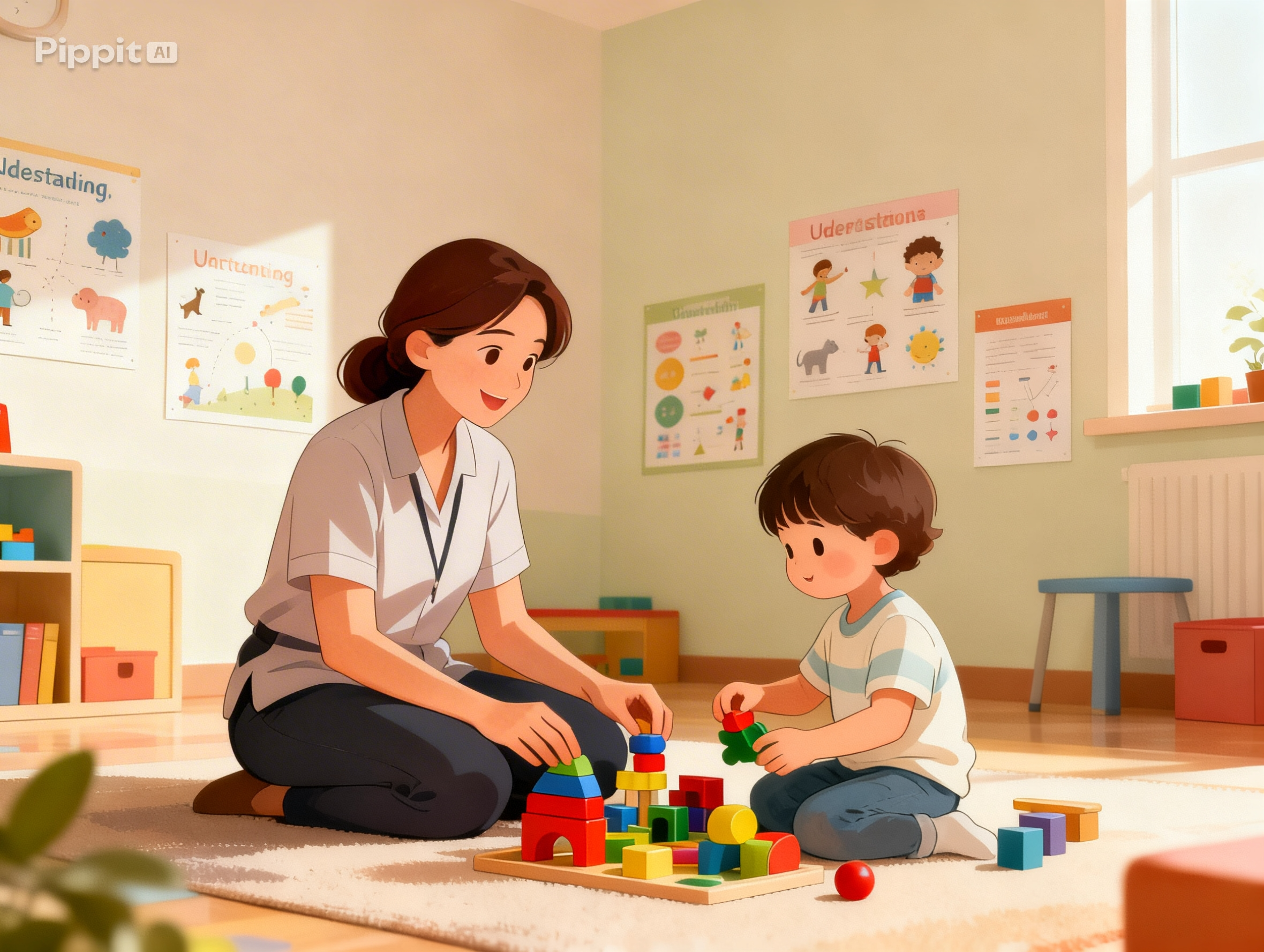
In-home ABA therapy is Applied Behavior Analysis provided in a child’s home environment. Therapists work one-on-one with children to improve communication, social, behavioral, and daily living skills using personalized strategies and positive reinforcement.
ABA therapists use structured activities, play, and daily routines to teach new skills and reduce challenging behaviors. Therapy takes place in familiar environments, helping children apply skills naturally in everyday life.
Yes. Many families find in-home ABA therapy effective because children learn skills where they spend most of their time. It also allows therapists to address real-life routines and behaviors directly.
ABA therapy can help improve: Communication skills Social interaction Attention and focus Daily living skills Emotional regulation Problem behaviors such as aggression, tantrums, or self-injury
The number of hours varies based on the child’s needs, goals, and assessment results. Some children benefit from 10–15 hours weekly, while others may require more intensive programs.
Sessions may include: Play-based learning Communication exercises Behavior management strategies Social skills practice Daily routine training Parent coaching and feedback
Therapists use positive reinforcement, modeling, repetition, and interactive activities to teach children how to express needs, follow directions, interact socially, and build relationships.
Many insurance plans cover ABA therapy, especially for children diagnosed with autism spectrum disorder. Coverage depends on your provider, policy, and state requirements.
Costs vary depending on location, therapy hours, and insurance coverage. Without insurance, ABA therapy can be expensive, but many providers offer assistance with insurance verification and payment options.